It does not hurt, it rarely causes symptoms, and most people who have it do not know. Yet fatty liver is one of the most common health problems among adults.
Often it is discovered by chance, on a routine blood test or a scan for something else.
Insider Tip Fatty liver is common, usually silent and closely linked to belly fat, high blood sugar and too much alcohol. Losing even a small amount of weight, moving more and cutting back on sugary drinks and alcohol can reduce liver fat.
What fatty liver is
Your liver normally stores a little fat. When too much builds up, it is called fatty liver. The most common type is linked to weight and metabolism rather than alcohol, and it affects roughly one in three adults. You may also see it called by its newer name, MASLD.
Most people with fatty liver feel completely fine. Over many years, though, it can lead to inflammation and scarring in some people.
Who is at risk
You are more likely to have it if you carry extra weight around the middle, have type 2 diabetes or prediabetes, high triglycerides or high blood pressure. Risk rises with age. It can also affect people who are not overweight, especially if they carry weight around the middle or have high blood sugar.
What helps

The liver responds well to change. Losing about 5 to 10 percent of your body weight can reduce liver fat noticeably. Regular activity helps even before the scale moves.
- Cut back on sugary drinks and sweets, which the liver turns into fat.
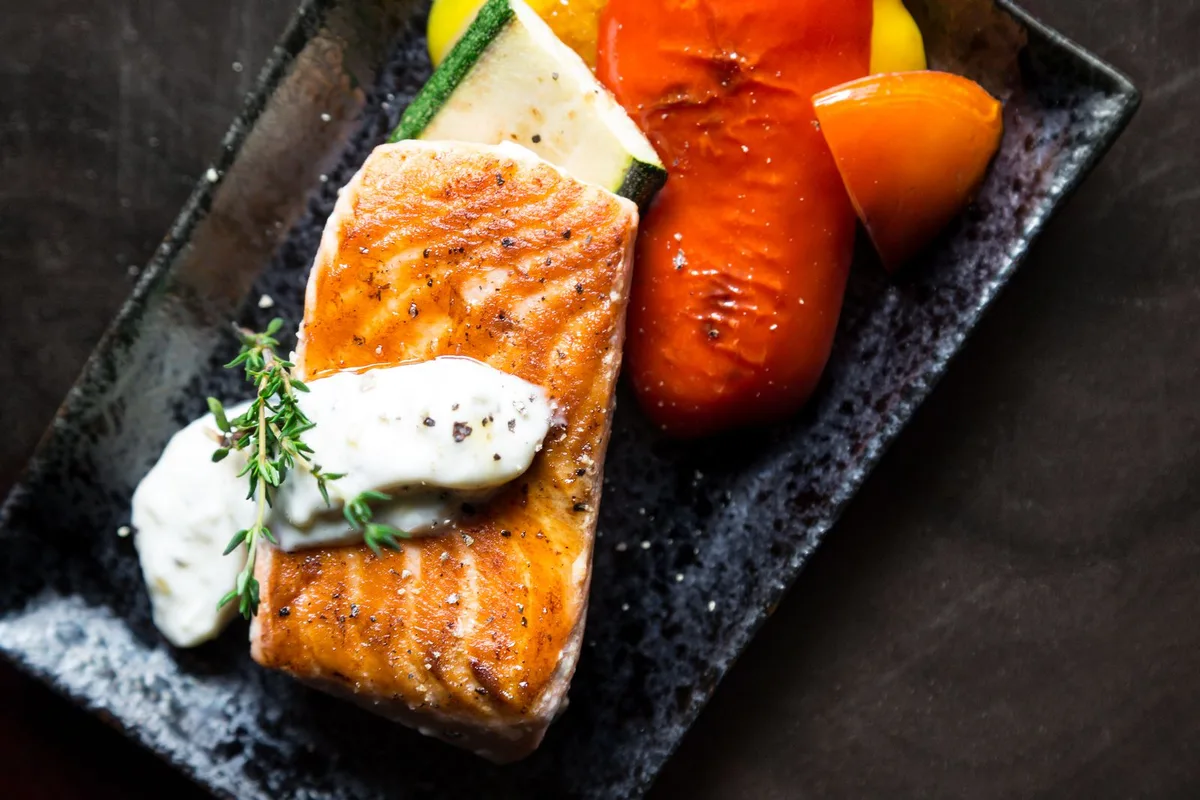
- Build meals around vegetables, fish, olive oil, beans and whole grains.
- Keep alcohol low.
- Walk briskly most days.
Coffee drinkers may have some good news: in large observational studies, regular coffee was linked to healthier livers.
When to talk to your doctor
Ask your doctor about liver blood tests if you have diabetes, belly fat or high triglycerides. See a doctor promptly for yellowing of the skin or eyes, dark urine, a swollen belly or legs, or pain in the upper right side of the abdomen.
A quiet liver is not always a healthy one. A simple test can tell you where you stand.
Our articles share general information, not medical advice. Talk to your doctor before changing your diet, exercise or supplements. FitSpresso Insider is a reader magazine, not the official FitSpresso store.