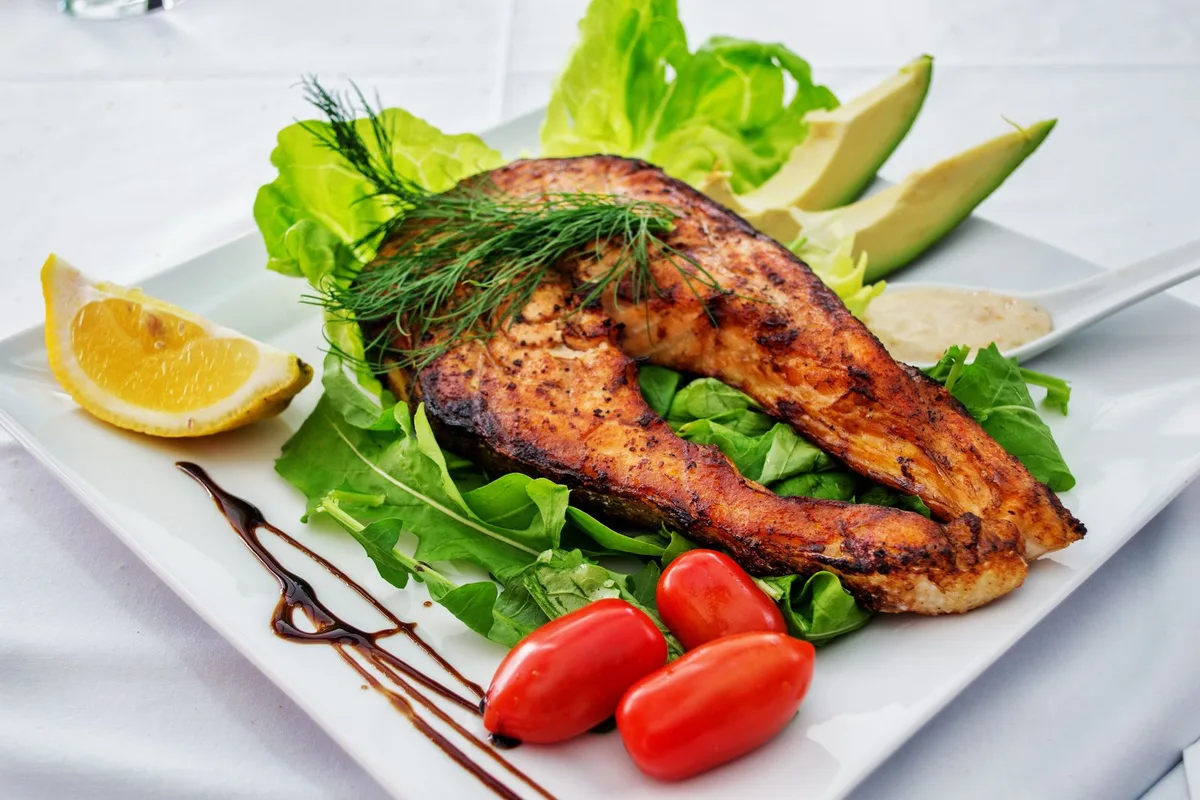
You have lunch, you feel fine, and two hours later you are tired, foggy and looking for something sweet. That pattern is often a blood sugar swing: a quick rise after the meal, then a dip.
Most advice stops at "eat less sugar." But after 50, how you eat matters almost as much as what you eat.
The one takeaway Eat the vegetables and protein on your plate first and the starchy food last, then take a short walk soon after your biggest meal. Both soften the rise and the dip that follows.
Why the swings feel bigger now
With age, the body tends to handle a big load of sugar a little less smoothly. Muscle, the main place sugar goes after a meal, slowly shrinks, and the cells respond a bit less to insulin.
So the same bowl of pasta that never bothered you at 35 can now bring a sharper rise and a deeper afternoon slump.
The order on your plate
Research suggests that eating vegetables and protein first and the bread, rice, potatoes or fruit last gives a noticeably smaller rise than eating the same food in the opposite order.
Nothing on the plate changes. The fiber and protein simply slow down how fast the starch reaches your blood. Same food, different order is one of the easiest changes you can make.
A short walk beats a long one later
Muscles that are working pull sugar out of the blood without needing much insulin. That is why timing matters: a walk soon after eating does more for that meal than the same walk hours later.
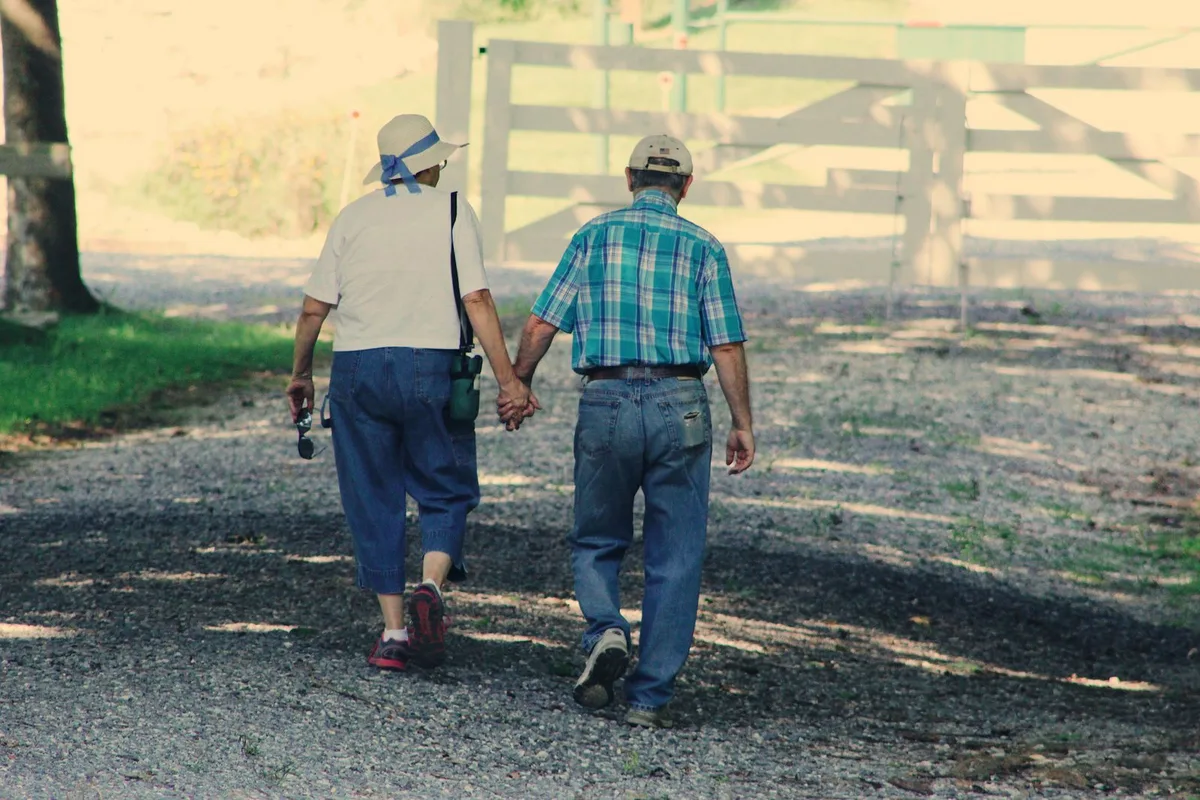
You do not need much. Even two to five minutes of easy walking after a meal helps, and ten minutes is better.
A short night matters too. One night of poor sleep can make your body handle sugar less well the next day, so add a little extra protein to breakfast after a rough night.
When to talk to your doctor
If you have diabetes or take blood sugar medicine, follow your doctor's plan and do not change your medicine on your own. See a doctor if you notice unusual thirst, frequent urination, blurry vision or weight loss you cannot explain.
Small swings add up over a day and over years. Start with the order on your plate tomorrow at lunch, and notice how the afternoon feels.
Our articles share general information, not medical advice. Talk to your doctor before changing your diet, exercise or supplements. FitSpresso Insider is a reader magazine, not the official FitSpresso store.