We spend most of our time indoors, so the air inside our homes matters for our lungs. The EPA notes that levels of some pollutants indoors can be two to five times higher than outdoors.
The good news is that most indoor air problems come from everyday things, and everyday fixes help.
The one takeaway Clear the air where it starts: run a range hood that vents outside when you cook, open a window, go easy on sprays and keep dust and humidity in check.
Cooking smoke and gas stoves
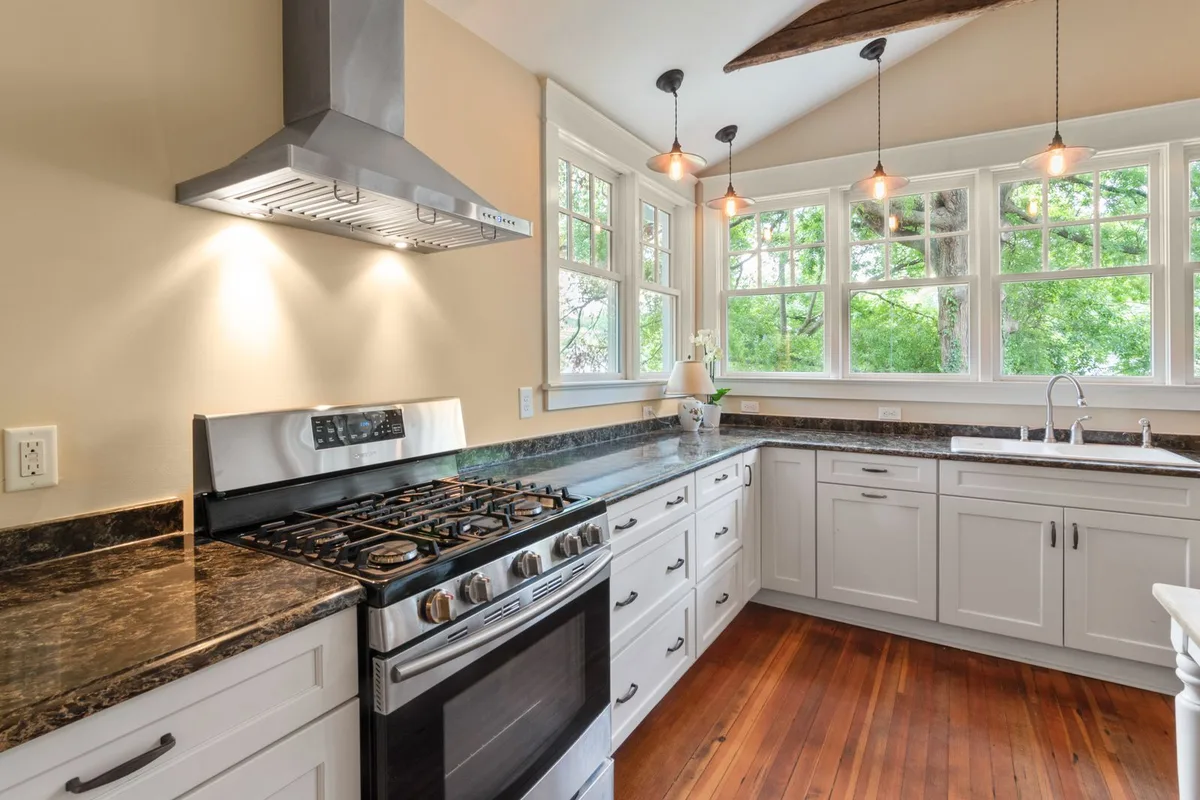
Frying, searing and toasting release fine particles, and gas burners also give off gases such as nitrogen dioxide that can irritate airways. Use a range hood that vents to the outside every time you cook, not only when something burns. Leave it running for a few minutes after you finish.
A lesser known tip: cook on the back burners when you can. Most range hoods capture fumes from the back of the stove much better than from the front.
Cleaning sprays and scents
Sprays put tiny droplets into the air right where you breathe. Spray onto a cloth instead of into the air, open a window while you clean, and never mix bleach with ammonia or acids, since that can release harmful gases. Scented candles, incense and wood smoke add particles too.
Dust, humidity and fresh air

- Vacuum with a HEPA filter and dust with a damp cloth.
- Keep indoor humidity roughly between 30 and 50 percent. Too damp invites mold and dust mites; too dry can irritate your nose and throat.
- Change furnace or air conditioner filters on schedule.
- Ask about a radon test. Radon is an invisible gas from the ground and a leading cause of lung cancer, and simple home test kits exist.
Open two windows on opposite sides of your home for ten minutes. A cross breeze swaps stale air quickly, even in cool weather.
What about houseplants?
Plants are lovely, but they are not air purifiers. Research suggests you would need a very large number of them to make a real difference in a home, far more than anyone keeps. Fresh air and good ventilation do much more.
When to talk to your doctor
Talk to your doctor if you notice coughing, wheezing or breathlessness that gets worse at home and better when you are away, or if you have asthma or COPD that is hard to control. Get to fresh air and call emergency services if you suspect a gas leak or carbon monoxide.
Clean air at home is one of the quietest kindnesses you can give your lungs.
Our articles share general information, not medical advice. Talk to your doctor before changing your diet, exercise or supplements. FitSpresso Insider is a reader magazine, not the official FitSpresso store.