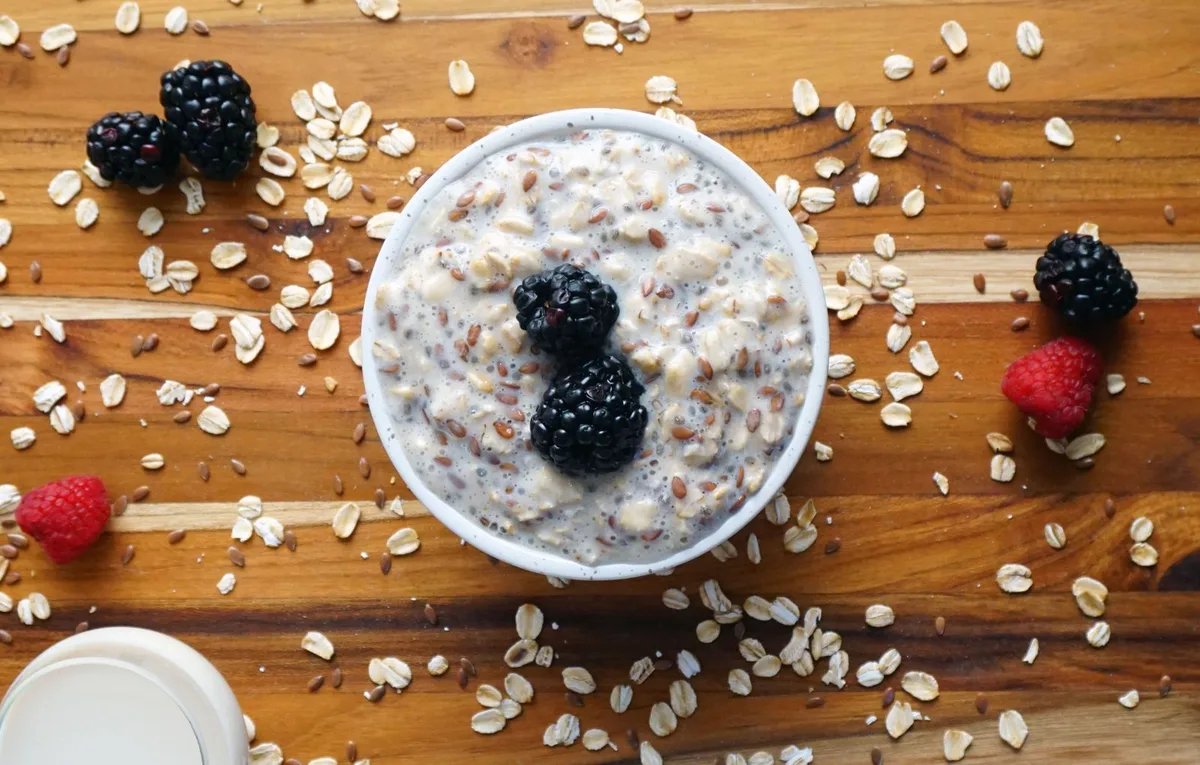
Your gut is home to trillions of bacteria, a whole ecosystem that weighs about as much as a small bag of sugar. For years they were seen as passengers. Now researchers think they may have a say in your weight.
The science is young, but some of it is fascinating, and some of it is useful right now.
Insider Tip The bacteria in your gut may influence hunger, blood sugar and how you store fat. A wider variety of plant foods and a little fermented food each day help feed the helpful ones.
What researchers have found
In animal studies, mice that received gut bacteria from heavier animals gained more fat than mice that received bacteria from leaner ones, even on the same diet. In people, a more varied gut community is linked to a healthier weight.
Your gut bacteria are not the whole story, but they seem to be part of it. Researchers are still working out which comes first, the bacteria or the weight.
How bacteria may affect weight
When gut bacteria ferment fiber, they produce small compounds that help signal fullness to your brain and support steadier blood sugar. Fewer fiber-loving bacteria means fewer of these helpful signals.
Feed the helpful ones
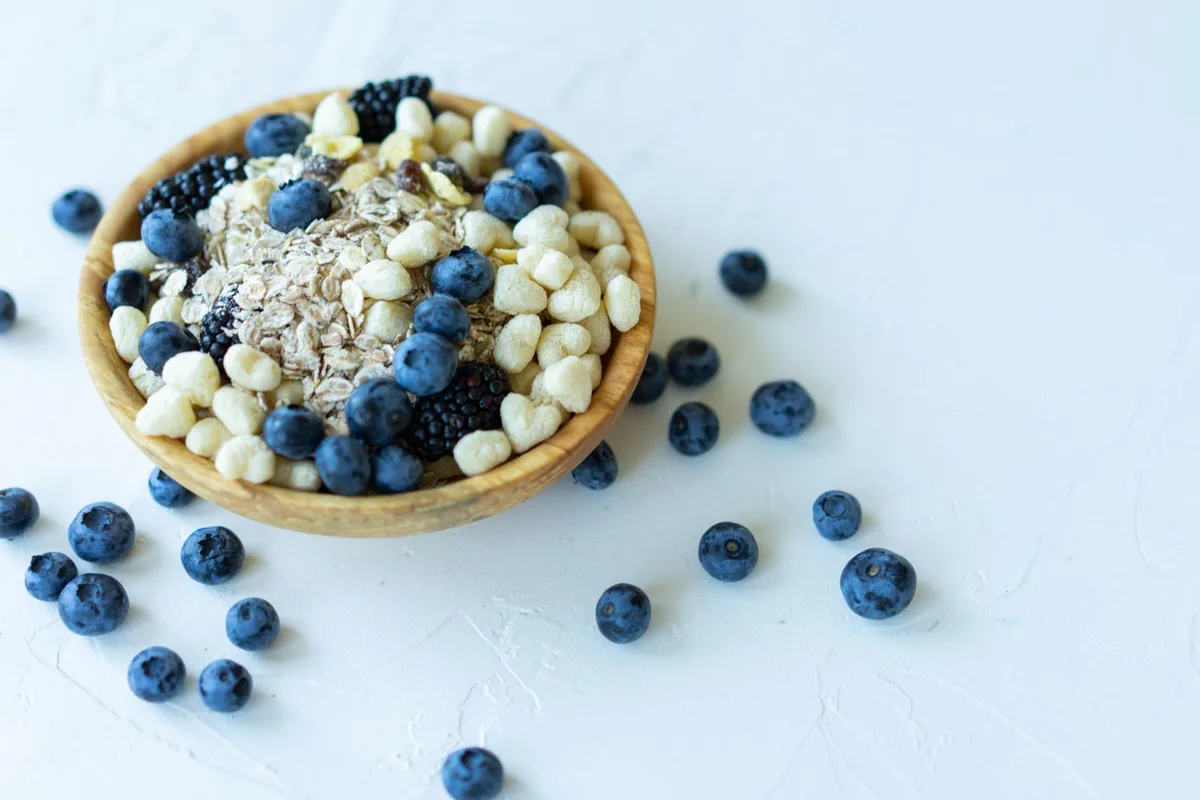
Fiber is their favorite food. Oats, beans, lentils, vegetables, fruit, nuts and seeds all count. One large project found that people who ate 30 or more different plant foods a week had more varied gut bacteria than those who ate 10 or fewer.
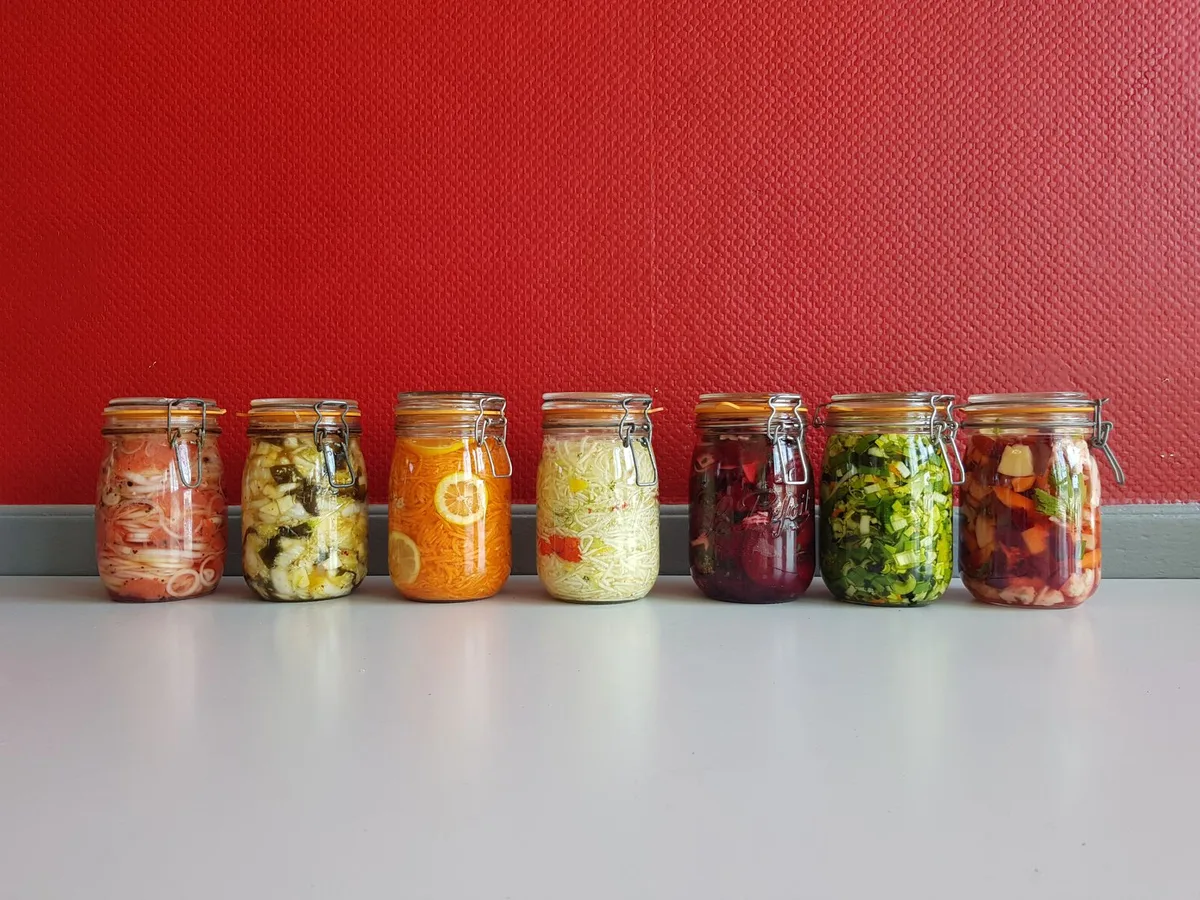
Fermented foods help too. In a Stanford study, adults who ate more fermented foods like yogurt, kefir, sauerkraut and kimchi for ten weeks had a more diverse gut community.
Count your plants for one week. Herbs, spices, nuts and seeds all count, and most people are surprised how quickly the number grows.
When to talk to your doctor
Add fiber slowly and drink enough water to avoid bloating. See your doctor if you have ongoing bloating, pain, a change in bowel habits, blood in your stool or weight loss you cannot explain. Ask before adding fermented foods if you have a weakened immune system.
Look after the life inside you, and it tends to look after you back. Start by adding one new plant food this week.
Our articles share general information, not medical advice. Talk to your doctor before changing your diet, exercise or supplements. FitSpresso Insider is a reader magazine, not the official FitSpresso store.