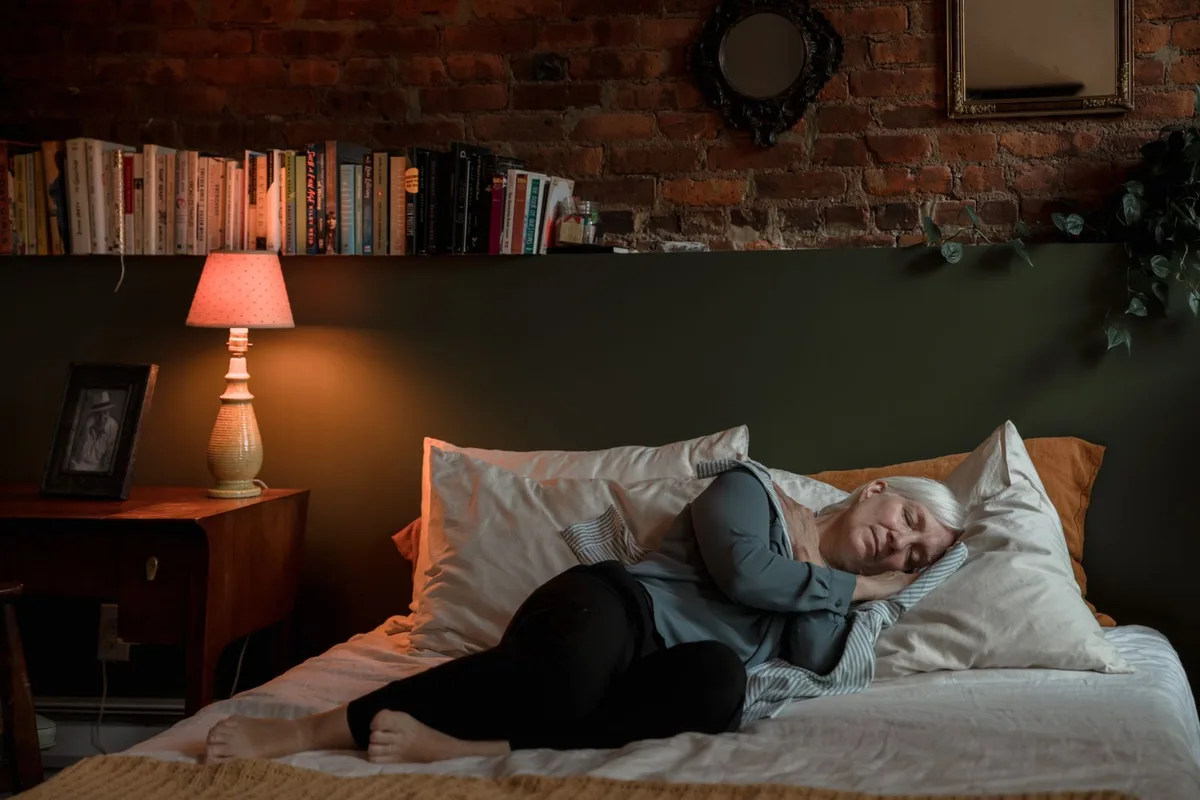
A warm drink, a dim lamp and a magnesium supplement. It is one of the most popular evening rituals online, and plenty of people swear by it.
So does magnesium really help you sleep? The honest answer is: maybe a little, for some people.
The one takeaway Magnesium helps your nerves and muscles relax, and many adults get less than they need from food. Research on sleep is modest and mixed. Start with magnesium-rich foods, and check with your doctor before taking supplements.
Why people link magnesium to sleep
Magnesium plays a part in hundreds of processes in the body, including how nerves send signals and how muscles relax. Many American adults eat less than the recommended amount, and absorption tends to drop with age.
The idea is simple: if you are low, topping up might help you relax. Low magnesium has also been linked in some studies to lighter, more restless sleep, which is part of why the idea caught on.
What the research shows
A handful of small studies in older adults found that magnesium helped people fall asleep a little faster or sleep a little better. Other studies found little effect. It is not a sleeping pill, and the evidence is still thin.
Food first
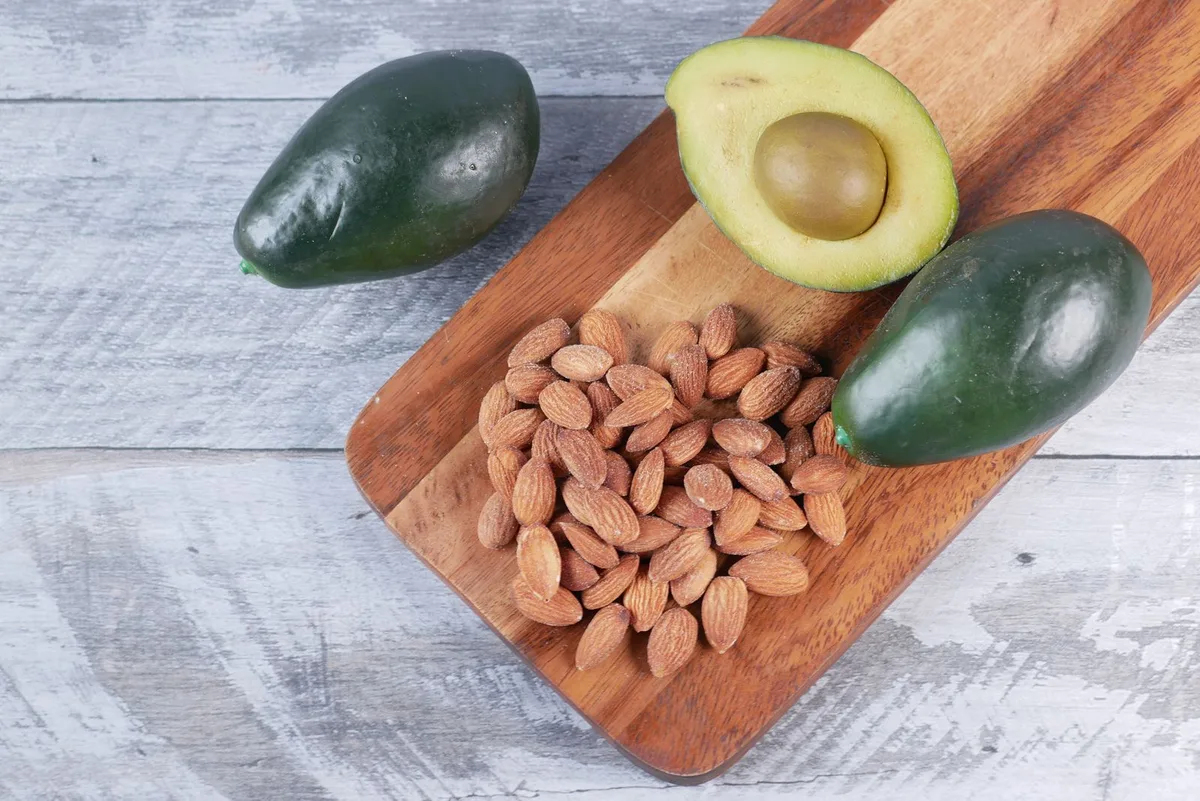
Good sources include pumpkin seeds, almonds, spinach, black beans, avocado, whole grains and dark chocolate. A handful of nuts in the evening is an easy start, and most people can meet their daily needs from food alone.

If you do try a supplement, forms matter. Magnesium glycinate tends to be gentler on the stomach, citrate can loosen stools, and oxide is less well absorbed. For supplements, adults should generally stay at or below 350 milligrams a day unless a doctor advises otherwise.
Pair it with a real wind-down: a warm drink, dim lights and no screens for the last 30 minutes.
When to talk to your doctor
Ask your doctor or pharmacist before taking magnesium if you have kidney disease, or if you take antibiotics, bone-strengthening medicines, diuretics or acid reducers, since magnesium can interact with them. Too much can cause diarrhea. See a doctor if poor sleep lasts for weeks.
Magnesium may be a small helper. A steady routine is still the main event.
Our articles share general information, not medical advice. Talk to your doctor before changing your diet, exercise or supplements. FitSpresso Insider is a reader magazine, not the official FitSpresso store.