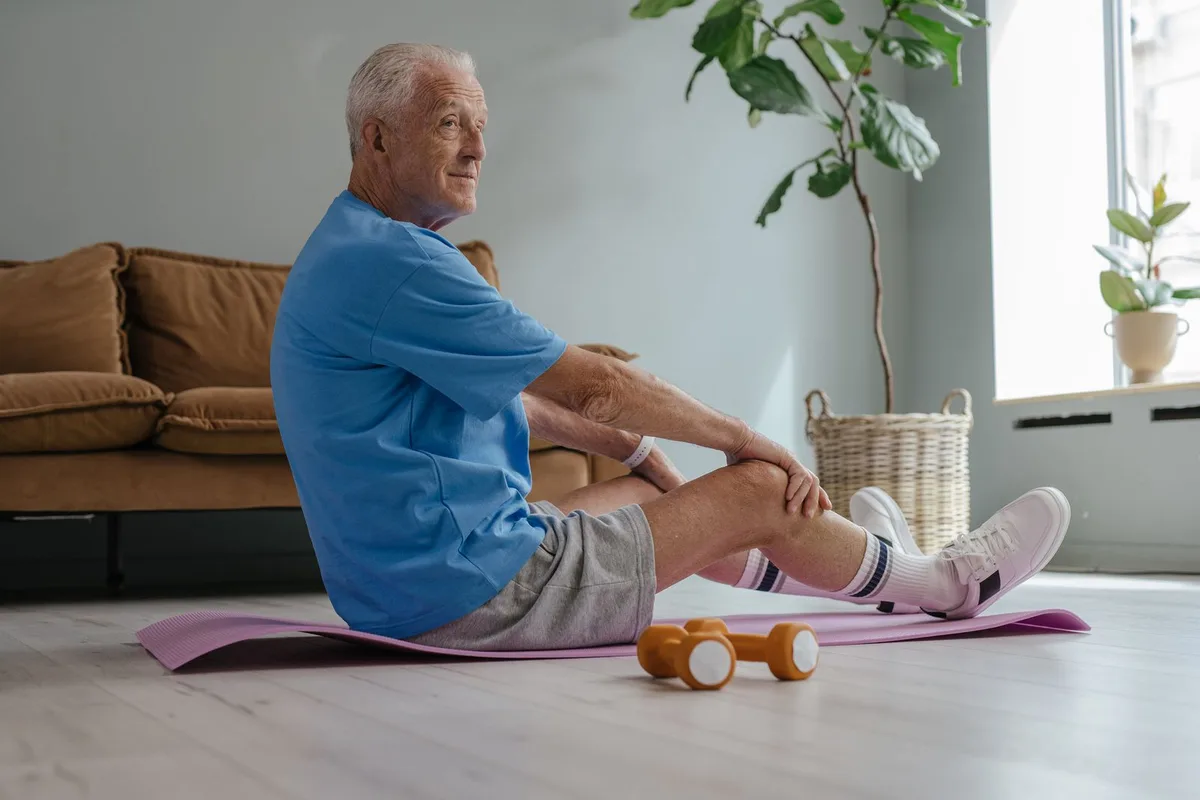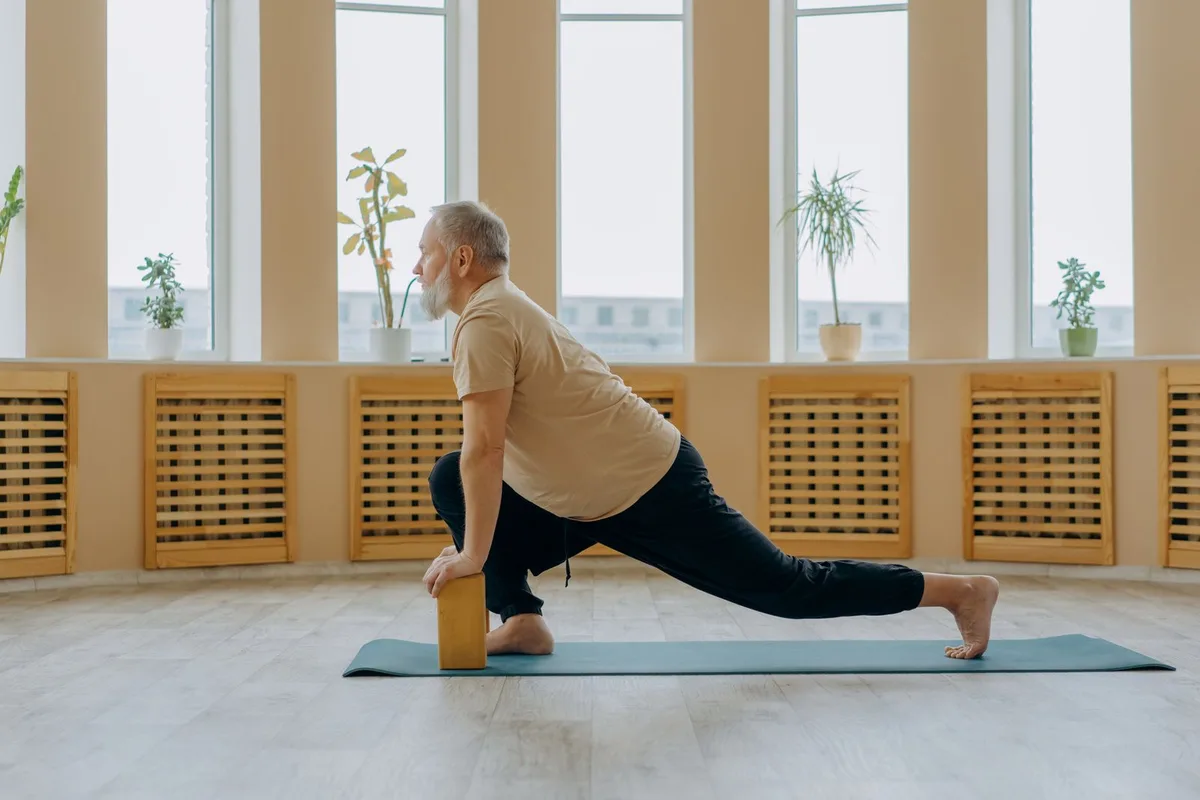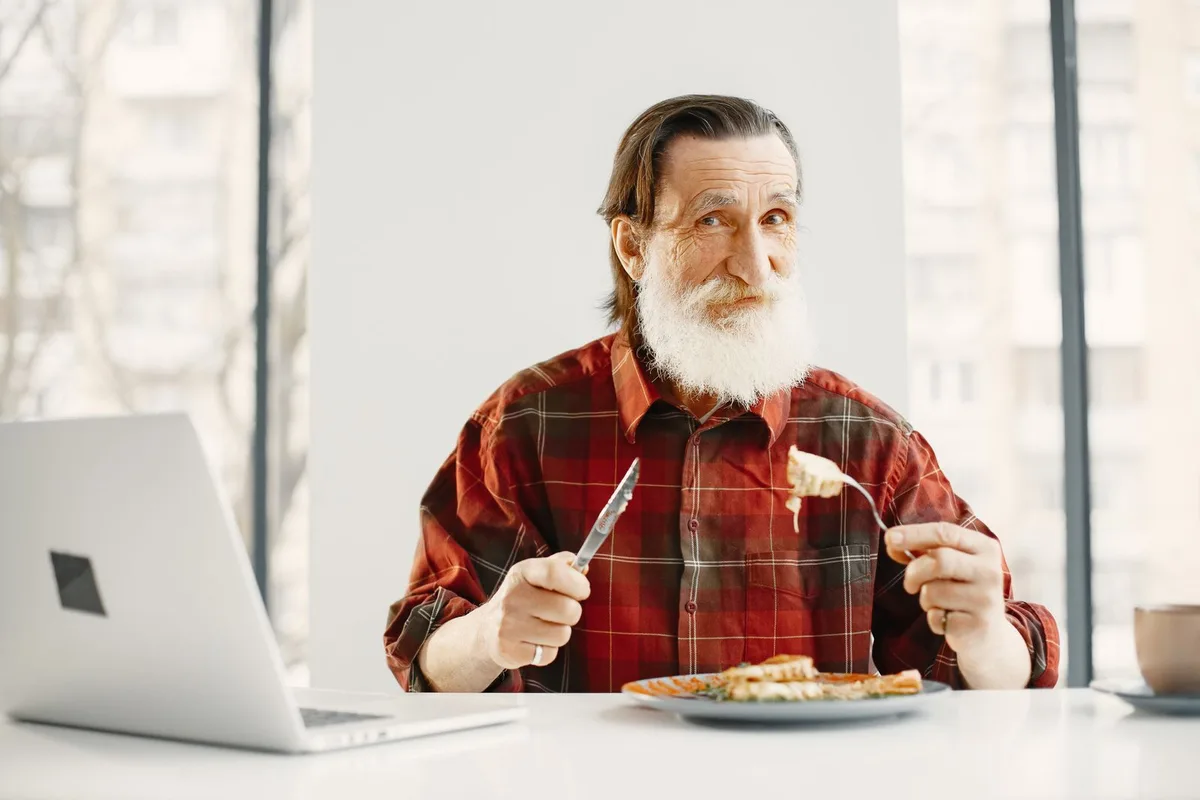
After 50, your muscles become a bit less responsive to the protein you eat. Researchers call it anabolic resistance. In plain terms, you may need a little more protein, and better timing, to get the same result you got at 30.
That matters, because muscle is what keeps you strong, steady on your feet and independent later on.
Insider Tip Many nutrition experts suggest older adults aim for somewhat more than the basic recommendation, roughly 1 to 1.2 grams of protein per kilogram of body weight a day, spread across meals and paired with strength training.
The numbers, made simple
The official recommended amount for adults is 0.8 grams per kilogram of body weight. That is a minimum to avoid deficiency, not a target for keeping muscle as you age.
For a 200 pound man (about 90 kilograms), 1 to 1.2 grams per kilogram works out to around 90 to 110 grams a day. You do not need to count every gram. A rough idea is enough.
Spread it across the day
Many men eat little protein at breakfast, some at lunch and most of it at dinner. Research suggests muscles respond better when protein is spread out. Aim for about 25 to 30 grams at each meal.
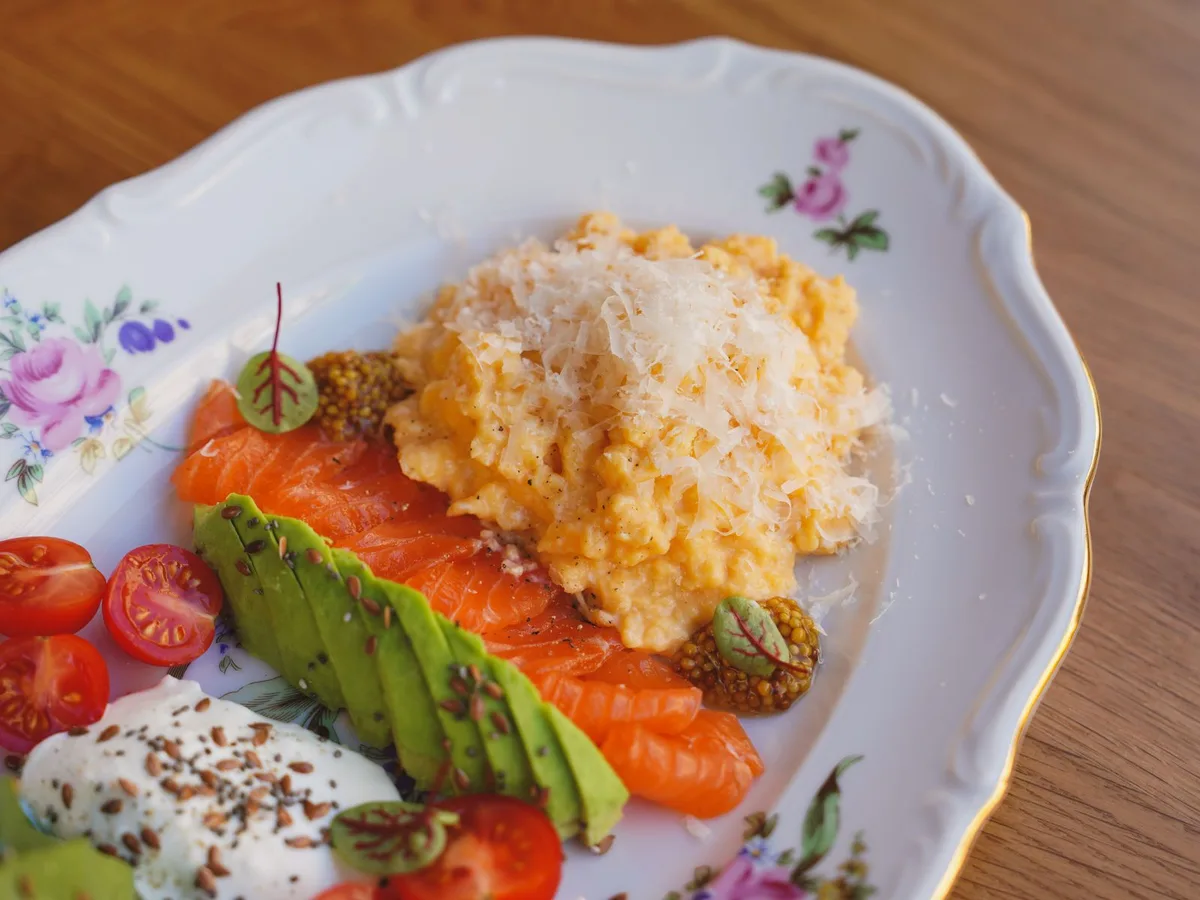
Here is roughly what that looks like:
- Three eggs plus a cup of Greek yogurt
- A palm-sized chicken breast or fish fillet
- A cup of cottage cheese
- A can of tuna on whole grain toast
- A bowl of lentil or bean chili
Food first
Whole foods bring protein along with other nutrients you need, like fiber, iron, calcium and omega-3 fats. Mix animal and plant sources: fish, poultry, eggs, dairy, beans, lentils, tofu and nuts. Keep processed meats like bacon and deli meat as occasional extras.
Protein works best with a reason to use it. Two or three strength sessions a week give your muscles that reason.
Start with breakfast. Swapping toast and coffee for eggs or yogurt adds 20 grams before your day has started.
When to talk to your doctor
If you have kidney disease, diabetes or another long-term condition, ask your doctor or a registered dietitian before raising your protein intake, since your needs may be different. If you are losing weight or muscle without trying, get that checked as well.
More protein is not magic, but the right amount at the right times helps you keep what you have built.
Our articles share general information, not medical advice. Talk to your doctor before changing your diet, exercise or supplements. FitSpresso Insider is a reader magazine, not the official FitSpresso store.