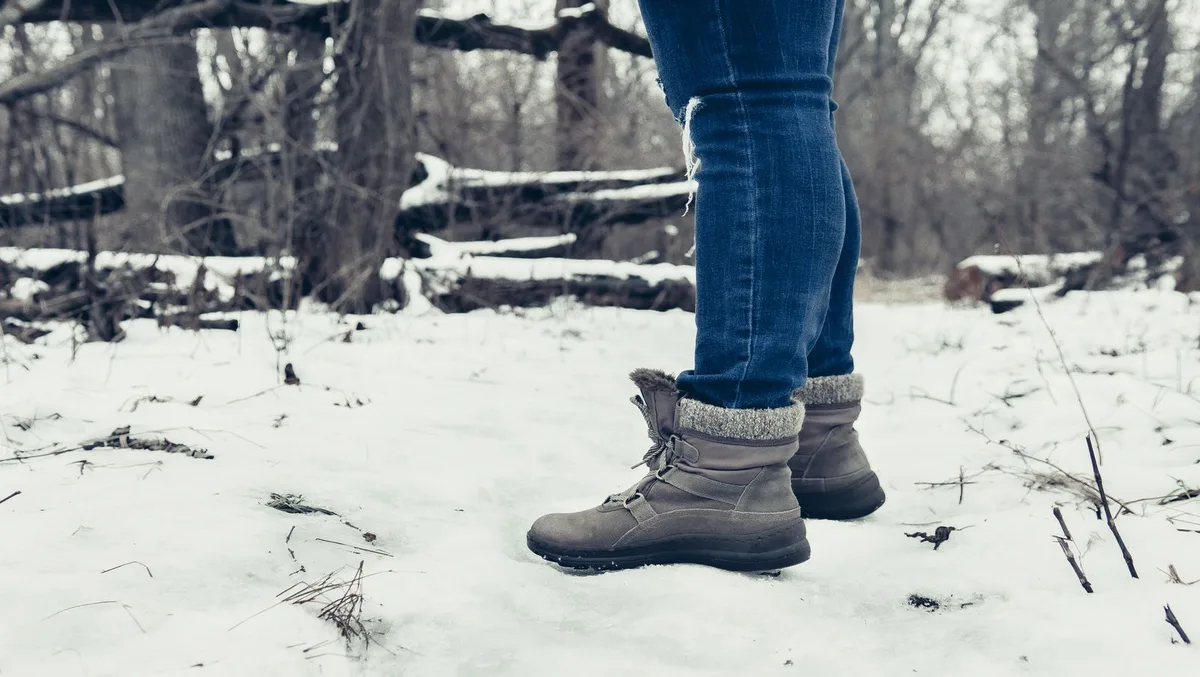
Cold feet are uncomfortable for anyone. When your feet are already numb or tingly, winter brings a quieter risk: you may not notice when the cold has gone too far.
Normal feet send a loud signal when they get too cold. They sting, ache and make you want to go inside. Reduced feeling can mute that alarm, so skin can be damaged by cold, wet or heat before you know anything is wrong.
The one takeaway With numb feet, protect them by habit instead of by feel: dry warm socks, roomy insulated footwear, short trips in the cold and a quick look at your feet every evening.
Socks and boots that really help
Choose socks made of wool or moisture wicking synthetic fibers. Cotton holds sweat against your skin, and wet feet lose heat much faster than dry feet. Carry a spare pair if you will be out for a while.
Here is a little-known detail: squeezing two or three pairs of socks into a snug boot can make your feet colder, not warmer. Tight layers press on blood vessels and flatten the trapped air that keeps you warm. One good pair in a boot with wiggle room usually works better.
- Waterproof, insulated boots with a closed heel
- A wide toe box so toes can move freely
- Firm, non-slip soles for icy sidewalks
Why heating pads are risky
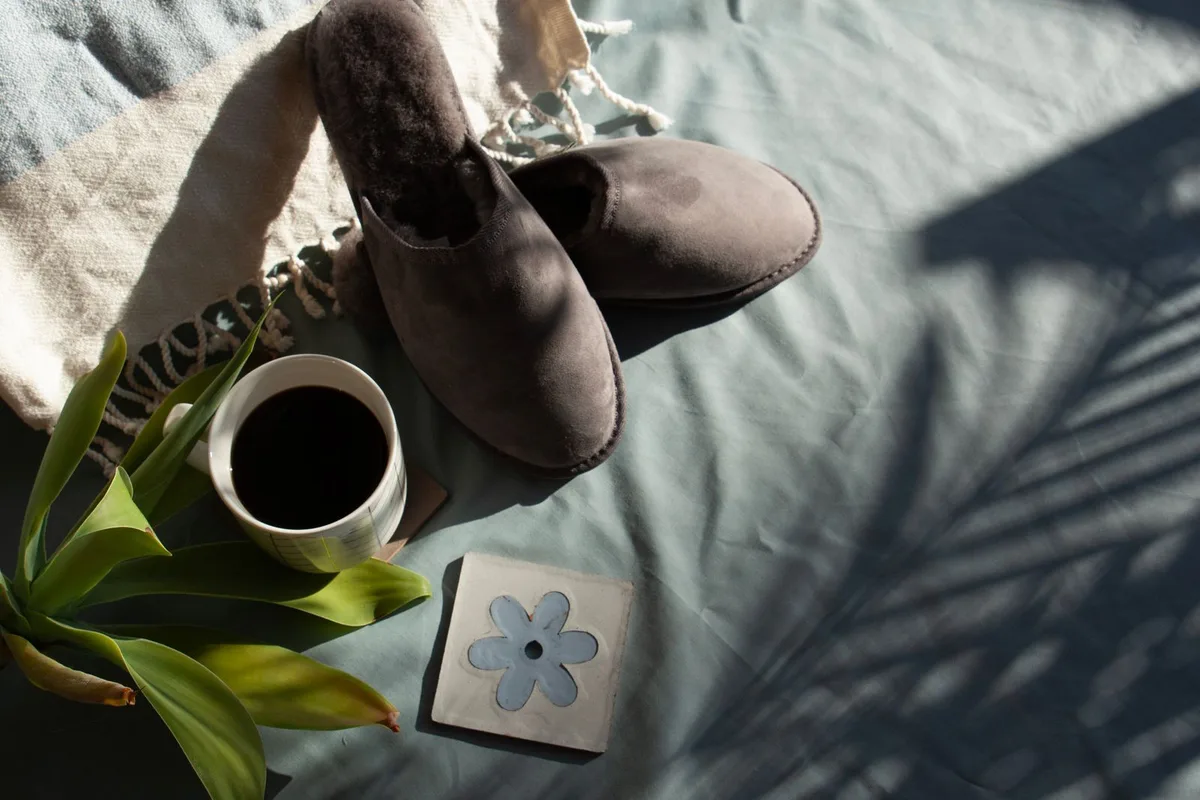
It is tempting to warm cold feet with a heating pad, hot water bottle or a hot foot soak. With reduced feeling, skin can burn without any pain to warn you. Warm up gently instead: dry socks, a blanket, moving your toes and ankles.
Before any foot soak, test the water with your elbow or a bath thermometer, never with your feet.
Check your feet every evening
After time outdoors, take off your socks and look at both feet in good light. Use a mirror for the soles. Watch for skin that looks pale, waxy, grayish or blotchy, new blisters, or areas that feel hard. Dry carefully between your toes, and use a gentle moisturizer on dry heels, not between the toes.
When to talk to your doctor
Call your doctor or a podiatrist if you see a blister, sore, color change or swelling that does not improve within a day, or if numbness is spreading. Skin that stays white or gray and feels hard or numb after warming needs prompt medical care, since it can be a sign of cold injury. If you have diabetes, ask your doctor how often your feet should be checked.
A few minutes of care each day lets you enjoy winter walks with far less worry.
Our articles share general information, not medical advice. Talk to your doctor before changing your diet, exercise or supplements. FitSpresso Insider is a reader magazine, not the official FitSpresso store.