Most of us choose shoes by how they feel. You slip them on, take a few steps and know right away if they pinch.
When your feet are numb, that test stops working. A shoe can rub a blister all afternoon without a single warning sign, so you need to choose with your eyes and a few simple rules.
Insider Tip With numb feet, pick shoes for fit and protection first: plenty of toe room, a snug heel, a firm non-slip sole and no rough seams inside. Check your feet after wearing any new pair.
What a good shoe looks like
- Closed toes and closed heels to protect from bumps and sharp objects
- A wide, deep toe box so toes can lie flat and wiggle
- A firm back that holds your heel without slipping
- Laces or hook and loop straps so you can adjust the fit as feet swell
- A smooth lining with no bulky seams
Soles and balance
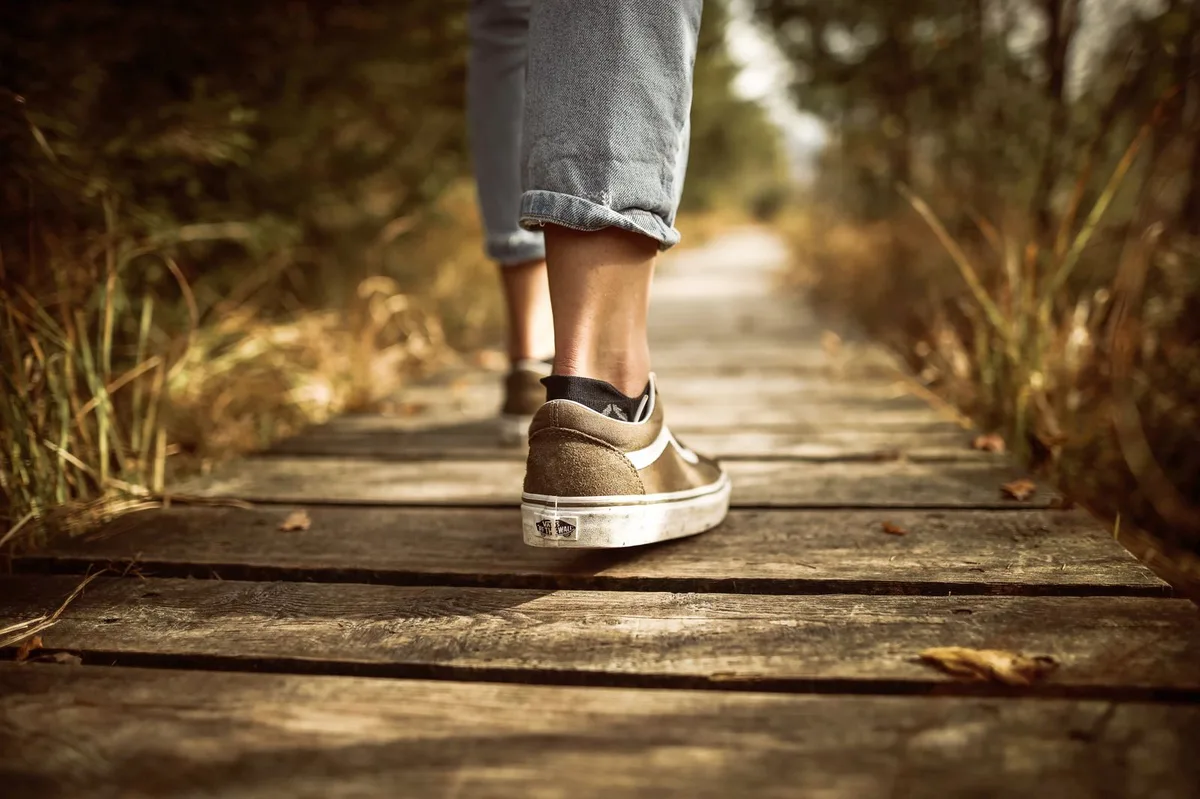
Very thick, soft soles feel cozy, but they can make it even harder to sense the ground. For many people with neuropathy, a fairly thin, firm sole with good grip gives better balance, with enough cushioning to soften hard floors. Avoid slick soles and high heels. A slightly beveled heel can help prevent catching on rugs.
Smart shopping
Shop late in the day, when feet are at their largest. Have both feet measured standing up, since size can change with age. Bring the socks you plan to wear.
Stand on a piece of paper and trace your foot. Set the shoe on top: if the tracing is wider than the sole, that shoe will squeeze you.
Break new shoes in slowly, an hour or two at first, and look at your feet afterward for red marks.
Socks and slippers
Choose soft, seamless socks that keep moisture away from the skin and are not tight at the top. Swap floppy backless slippers for indoor shoes with a closed heel and a firm, non-slip sole. Try not to walk barefoot, even at home.
When to talk to your doctor
Ask your doctor or a podiatrist for help if you have a foot shape change, bunions, hammertoes, a past foot ulcer, or red marks that do not fade within a short time after taking shoes off. If you have diabetes, ask whether special shoes or inserts are right for you and whether your insurance may help cover them.
The right pair will not feel exciting. It should simply let you forget about your feet and enjoy the walk.
Our articles share general information, not medical advice. Talk to your doctor before changing your diet, exercise or supplements. FitSpresso Insider is a reader magazine, not the official FitSpresso store.